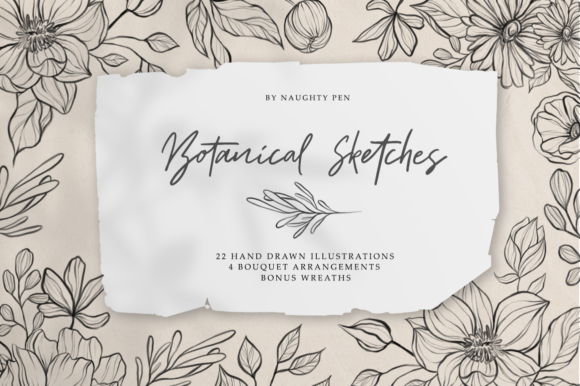
Elevating Illustration Design with the Floral Rose Vector
In the vast ecosystem of digital illustration, few motifs possess the enduring versatility and symbolic weight of the rose. While traditional hand-painted botanicals hold a special place in fine art, modern design workflows demand assets that are as flexible as they are beautiful. This is where the floral rose vector becomes an indispensable tool for contemporary creators. Unlike raster images that degrade when resized, vector-based roses offer mathematical precision combined with organic aesthetics, allowing designers to manipulate every petal, stem, and leaf without sacrificing quality.
The transition from static imagery to scalable vector graphics has fundamentally changed how illustrators approach botanical design. A high-quality floral rose vector is not merely a clip-art replacement; it is a foundational building block for complex compositions. Whether you are designing packaging for luxury cosmetics, creating wedding stationery, or developing textile patterns, understanding the nuances of vector florals can significantly streamline your production process while elevating the final visual output.
The Technical Advantage in Modern Workflows
The primary reason designers gravitate toward vector formats lies in their inherent scalability. In illustration design, projects rarely stay within a single dimension. A rose motif designed for a business card might later be needed for a billboard or a website header. With a floral rose vector, this transition is seamless. Because the artwork is defined by paths and anchor points rather than pixels, the edges remain crisp at any magnification level. This eliminates the tedious process of redrawing or upscaling raster images, which often results in blurry artifacts and lost detail.
Beyond simple resizing, vectors offer unparalleled editability. Professional illustration often requires customization to fit a specific color palette or stylistic direction. When working with a well-constructed floral rose vector, you can isolate individual elements. Need to change a deep crimson rose to a blush pink to match a client’s brand guidelines? You can adjust the fill colors globally or selectively in seconds. Want to rearrange the composition to create a horizontal border instead of a vertical bouquet? The modular nature of vector layers allows you to move, rotate, and reshape components without destructive editing.
Layer Structure and Organization
Not all vector files are created equal. For illustration purposes, the internal organization of a floral rose vector matters as much as its external appearance. Premium assets typically feature logical layer grouping, separating petals, stamens, leaves, and stems. This structural integrity is what transforms a generic graphic into a professional design resource. Disorganized vectors with merged shapes limit creative freedom, forcing designers to trace over existing work rather than building upon it. Always evaluate the layer hierarchy before integrating a new asset into your workflow to ensure it supports, rather than hinders, your creative process.
Stylistic Versatility Across Industries
The aesthetic range of floral rose vectors extends far beyond a single look. The medium accommodates diverse artistic interpretations, making it suitable for virtually every sector of the design industry. Understanding these stylistic variations helps illustrators select the right asset for the right context.
- Vintage and Engraving Styles: Characterized by intricate line work, cross-hatching, and muted color palettes, these vectors evoke nostalgia and craftsmanship. They are staples in wine labeling, artisanal food packaging, and heritage branding.
- Modern Flat Design: Utilizing bold shapes, minimal shading, and vibrant colors, flat floral rose vectors excel in web design, app interfaces, and contemporary marketing materials where clarity and quick visual recognition are paramount.
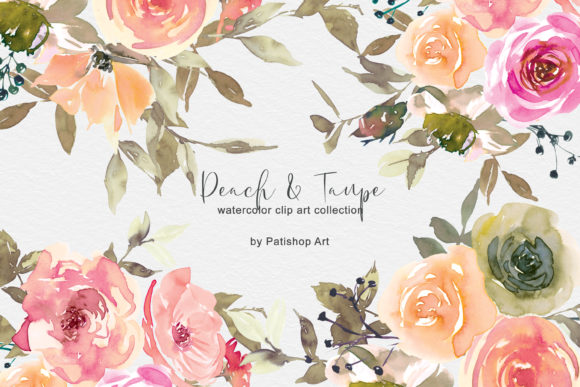
- Watercolor Simulation: Advanced vector techniques now allow for gradient meshes and transparency effects that mimic traditional watercolor painting. These bridge the gap between digital efficiency and hand-painted warmth, perfect for wedding invitations and feminine hygiene products.
- Line Art and Minimalist: Single-weight strokes and negative space define this category. These understated floral rose vectors serve as elegant accents in editorial layouts, jewelry design, and luxury fashion branding.
This diversity ensures that the term "floral rose vector" encompasses a spectrum of visual languages. An illustrator working on a tech startup's annual report will utilize a vastly different asset than one designing a romance novel cover, yet both rely on the same underlying vector technology to achieve their goals.
Integration into Composite Illustrations
Rarely does a rose exist in isolation. In professional illustration, floral elements are frequently composited with typography, characters, or geometric backgrounds. The true power of a floral rose vector emerges during this integration phase. Because vectors maintain transparent backgrounds natively (unlike JPEGs) and support complex blending modes (unlike basic PNGs), they interact beautifully with other design elements.
Consider the challenge of wrapping text around a botanical element. With a raster image, you are bound by the rectangular bounding box or a jagged clipping mask. With a vector, you can use text wrap features that follow the actual contour of the petals and leaves, creating a harmonious relationship between word and image. Furthermore, illustrators can apply global effects like drop shadows, glows, or texture overlays directly to the vector paths, ensuring that the floral elements feel physically present in the scene rather than pasted on top of it.
Customization as a Value Add
Clients increasingly expect bespoke design, even when stock assets are involved. Using a floral rose vector as a starting point allows illustrators to deliver custom results efficiently. By combining multiple vector sources, altering stroke weights, adding hand-drawn details on top of vector bases, or applying unique color grading, designers create proprietary artwork. This hybrid approach balances budget constraints with creative originality. It is important, however, to understand licensing agreements. Most commercial licenses require significant modification before a vector asset can be trademarked or claimed as original work. Ethical and legal compliance is just as critical as aesthetic execution.
Selecting Quality Assets for Professional Results
The marketplace is saturated with floral graphics, but discernment is key to maintaining professional standards. When sourcing a floral rose vector for serious illustration work, several factors warrant careful consideration.
- Path Complexity: Excessively complex paths with thousands of unnecessary anchor points can bloat file sizes and slow down rendering. Conversely, overly simplified paths may lack the organic fluidity required for realistic botanicals. Look for clean, efficient curves that capture detail without computational waste.
- Color Mode Compatibility: Ensure the vector supports your intended output. RGB vectors may shift unexpectedly when converted to CMYK for print. High-quality assets often include separate color profiles or are built in CMYK to guarantee print fidelity.
- Botanical Accuracy: Even stylized illustrations benefit from anatomical correctness. Roses have specific petal arrangements and growth patterns. Vectors that ignore botanical reality often feel uncanny or amateurish. Choose assets created by artists who understand plant morphology.
- Format Flexibility: True vector compatibility spans AI, EPS, SVG, and PDF formats. Avoid files marketed as vectors that are actually embedded rasters. Always test the file in your preferred software before committing to a purchase or download.
The Future of Botanical Vector Design
As design tools evolve, so too does the floral rose vector. Emerging technologies like generative AI and procedural design are beginning to influence how these assets are created and customized. We are seeing vectors that adapt dynamically to container sizes, changing their density and arrangement automatically. Additionally, the rise of variable fonts and parametric design suggests a future where floral elements might become adjustable parameters rather than static drawings.
Despite these technological advances, the core value proposition remains unchanged. Illustrators need reliable, beautiful, and malleable assets that communicate emotion and beauty efficiently. The floral rose vector continues to fulfill this need, serving as a bridge between natural inspiration and digital execution. By mastering the selection, manipulation, and integration of these assets, designers ensure their work remains relevant, resonant, and visually stunning across an ever-expanding array of media and applications.