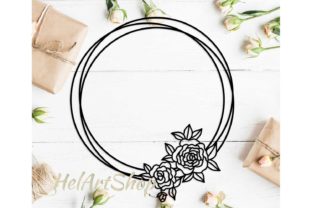
Evaluating Flower Frame Designs for Paper Cutting Projects
Selecting the appropriate digital asset is a critical step in any paper crafting or laser cutting workflow. When researching design options, the Flower Frame and its variant, the floral circle frame, frequently appear as primary candidates for decorative projects. These vector-based designs serve as foundational elements for invitations, wall art, packaging, and event signage. However, not all floral frames are created equal, particularly when the end goal is physical fabrication rather than digital display. Understanding the technical specifications, material compatibility, and practical applications of these files is essential for making an informed purchasing or selection decision.
Defining the Floral Circle Frame Asset
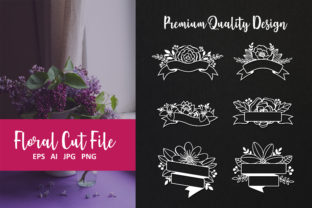
A Flower Frame in this context refers to a specific type of vector graphic composed of botanical elements arranged in a continuous border. The floral circle frame variation organizes these elements into a closed loop, creating a centralized negative space suitable for text, photographs, or monograms. Unlike raster images, which rely on pixels, these designs are mathematically defined paths. This distinction is vital for paper cutting enthusiasts because it dictates how the design interacts with cutting machines like Cricut, Silhouette, or Glowforge.
The standard package for these assets typically includes five distinct file formats: EPS, SVG, PNG, DXF, and JPEG. Each serves a unique function in the evaluation process. The SVG and DXF files are the operational workhorses for cutting software, providing the cut lines and score lines necessary for fabrication. The EPS file offers scalability for professional print production or large-format signage. The PNG provides a transparent background for digital mockups or sublimation, while the JPEG serves as a visual reference or proofing tool. Evaluating whether a vendor provides all five formats ensures versatility across different stages of a project, from initial concept to final production.
Benefits for Paper Cutting Applications
The primary advantage of selecting a dedicated Flower Frame designed for paper cutting lies in structural integrity. Botanical illustrations intended solely for print often feature intersecting lines, open gaps, or excessively thin stems that fail when translated to cardstock or vinyl. A high-quality floral circle frame optimized for fabrication addresses these issues through specific design choices.
- Connected Nodes: Properly engineered frames ensure that all floral elements are anchored to the main border. Floating elements are either removed or welded to the primary path to prevent pieces from falling out during the weeding process.
- Optimized Stroke Width: Designers account for blade kerf and laser burn width, ensuring that delicate petals remain intact after cutting. This reduces waste caused by torn paper or burnt edges.
- Layering Potential: Many floral circle frames are designed with multiple layers. This allows crafters to cut the base frame in one color and overlay specific flowers in contrasting colors, adding depth without requiring complex registration marks.
- Scalability Without Distortion: Because the source files are vector-based, the frame can be resized from a 2-inch cupcake topper to a 24-inch wedding arch sign without losing edge definition or requiring manual redrawing.
Tradeoffs and Technical Considerations
While the Flower Frame is a versatile asset, there are inherent tradeoffs that must be weighed against project requirements. One significant consideration is complexity versus machine capability. Intricate floral circle frames with high node counts can overwhelm entry-level cutting machines or cause excessive processing time in laser software. Users must evaluate their hardware limitations before selecting highly detailed designs. A simpler silhouette may be preferable for mass production on standard cardstock, whereas intricate detail is better reserved for premium materials and slower, more precise equipment.
Material choice also influences the viability of a specific frame design. Delicate floral circles with thin connecting bridges perform poorly on fibrous papers or textured cardstocks, where tearing is likely. Conversely, these same designs may excel in adhesive vinyl or acetate. Buyers should assess the minimum line weight of the SVG or DXF file relative to their intended substrate. If the design lacks sufficient bridge width for the chosen material, extensive manual editing may be required, negating the time-saving benefit of purchasing a pre-made asset.
Additionally, licensing terms vary significantly between vendors. Some Flower Frame packages allow for unlimited commercial use on physical products but prohibit selling the digital files themselves. Others restrict usage to personal projects only. Failing to verify these terms during the evaluation phase can lead to legal complications later. Always review the license agreement alongside the technical specifications.
Situational Fit: When to Choose This Design Style
The floral circle frame is a strong fit for projects requiring organic symmetry and traditional aesthetics. It is particularly effective in the following scenarios:
- Wedding and Event Stationery: The circular geometry naturally frames central information, making it ideal for table numbers, welcome signs, and invitation suites. The botanical theme aligns with rustic, boho, and garden-party aesthetics.
- Product Packaging: For artisans selling candles, soaps, or jewelry, a floral frame adds perceived value and brand consistency. The ability to resize the SVG allows for a unified look across different product dimensions.
- Seasonal Decor: Generic floral frames can be adapted for multiple seasons by changing material colors. A green frame suggests spring, while gold or burgundy transitions the same design to autumn or winter.
- Mixed Media Art: The negative space within a floral circle frame invites integration with other techniques, such as watercolor painting, calligraphy, or foil stamping, serving as a precise guide for hand-applied elements.
When Alternatives Are Worth Considering
Despite their popularity, Flower Frames are not universally applicable. There are specific contexts where alternative design styles offer superior results.
If the project demands a modern, minimalist, or corporate aesthetic, a floral circle frame may introduce unnecessary visual noise. Geometric borders, abstract line art, or typographic frames often communicate professionalism and contemporary style more effectively than botanical motifs. Similarly, if the application involves extremely small-scale cutting, such as intricate lace patterns under two inches, floral designs may lose definition. In these cases, filigree or guilloche patterns specifically engineered for micro-cutting are safer choices.
For projects requiring photorealistic imagery, vector flower frames will always fall short. Raster-based clipart or printed backgrounds are necessary when specific botanical species identification or realistic shading is required. Vector art relies on stylization; if accuracy is paramount over cuttability, digital printing rather than cutting is the appropriate production method.
Practical Decision-Making Insights
When evaluating a Flower Frame purchase, adopt a systematic checklist approach. First, test the file compatibility. Download the sample or preview file and import it into your specific cutting software (e.g., Design Space, Silhouette Studio, LightBurn) to verify that paths are clean and nodes are manageable. Second, measure the thinnest points of the design against your material’s tear threshold. Third, confirm that the included file formats match your entire workflow; having a PNG is useful for client approval, but lacking a DXF could stall production on certain machines.
Finally, consider the long-term utility of the asset. A well-chosen floral circle frame is an investment in efficiency. By selecting a design that balances aesthetic appeal with technical robustness, crafters can reduce failed cuts, minimize editing time, and maintain consistent quality across diverse projects. The goal is to find a resource that solves immediate production needs while offering enough flexibility to adapt to future creative challenges. Thorough evaluation upfront prevents frustration during the fabrication phase, ensuring that the digital asset translates seamlessly into a tangible, high-quality finished product.