Evaluating Wallpaper Digital Paper for Professional Creative Projects
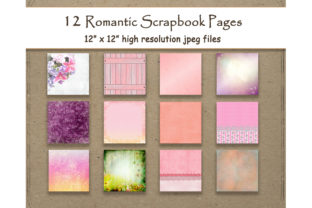
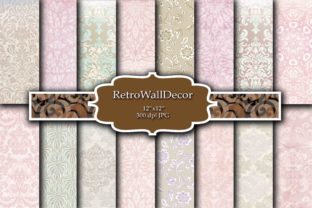
In the landscape of digital design and physical crafting, the distinction between decorative assets and functional tools often determines project success. Wallpaper digital paper serves as a foundational element for creators who require high-resolution textures that bridge the gap between screen-based graphics and tangible print media. Specifically, when evaluating resources like the Shabby Chic Damask Floral Scrapbook Paper pack, professionals must look beyond aesthetic appeal to assess technical viability. This collection of 12 high-quality JPEG files, rendered at 300 DPI with dimensions of 3600x3600 pixels, represents a specific tier of digital asset designed for versatility across decoupage, card design, and background creation.
Understanding the practical utility of wallpaper digital paper requires examining its role in modern workflows. For entrepreneurs, educators, and serious hobbyists, these files are not merely pretty pictures; they are time-saving infrastructure. The ability to deploy a consistent visual theme across physical products and digital platforms without licensing complications or resolution loss is a significant operational advantage. This analysis explores the technical specifications, real-world applications, and strategic value of integrating damask floral digital papers into professional and personal creative portfolios.
Technical Specifications and Print Viability
The primary metric for any printable digital asset is resolution. The industry standard for crisp, professional-grade printing is 300 DPI (dots per inch). Many free or low-cost alternatives on the market operate at 72 or 96 DPI, which suffices for web display but results in pixelation or blurriness when printed. This specific wallpaper digital paper pack adheres to the 300 DPI benchmark, ensuring that the intricate details of damask patterns and floral motifs remain sharp during physical reproduction.
The file dimensions of 3600x3600 pixels correspond exactly to a 12x12 inch print area at full quality. This square format is the industry standard for scrapbooking, but its utility extends further. For graphic designers working on social media templates, website backgrounds, or product packaging, this resolution provides ample headroom for cropping and resizing. When scaling down for a business card or an Instagram post, the excess pixel data preserves edge definition and color fidelity. Conversely, attempting to upscale a lower-resolution image invariably introduces artifacts. Starting with 3600px ensures that the asset remains future-proof for various output sizes.
The choice of JPEG format warrants consideration. While PNGs offer transparency and TIFFs offer lossless compression, JPEG remains the most compatible format for consumer and prosumer printers, as well as most design software. For a 12-file pack focused on textured backgrounds rather than isolated elements, JPEG strikes an efficient balance between file size and visual quality. Users should note, however, that because these are flattened raster images, individual pattern elements cannot be manipulated independently. This makes them ideal for backgrounds and overlays but less suitable if vector-like editability is required.
Color Consistency and Monitor Calibration
A frequent challenge in using wallpaper digital paper for physical projects is color variance between screen and print. Damask and shabby chic aesthetics often rely on subtle pastel gradients and muted tones that are sensitive to printer profiles. Professionals utilizing these assets should implement soft-proofing workflows. Testing a single sheet before committing to a bulk print run is a necessary step to ensure the digital representation matches the physical output. The consistency of a curated 12-pack aids in this process, as the files typically share a unified color profile, reducing the need for individual correction across different designs within the same collection.
Practical Applications Across Disciplines
The versatility of wallpaper digital paper lies in its adaptability. While marketed heavily toward scrapbooking, the asset class serves distinct functions for various professional demographics.
- Small Business Product Packaging: Entrepreneurs creating handmade goods, jewelry, or artisanal foods can use these 12x12 papers for custom box liners, thank-you cards, or product photography backdrops. The damask floral aesthetic conveys heritage and craftsmanship, aligning well with boutique branding.
- Educational Materials: Teachers and curriculum designers can utilize these textures to create visually engaging worksheets, certificates, and classroom decor. The structured nature of damask patterns provides visual interest without the chaos that might distract from educational content.
- Digital Content Creation: Bloggers and social media managers benefit from high-res backgrounds for quote graphics, Pinterest pins, and video overlays. The 3600px width allows for vertical cropping to 1080x1920 for Stories or Reels without losing detail.
- Event Stationery: Freelance designers working on wedding invitations or event programs find shabby chic themes particularly relevant. Using digital paper eliminates the cost and minimum order quantities associated with pre-printed specialty stocks.
Decoupage and Physical Crafting Performance
For users specifically engaged in decoupage, the weight and finish of the printed paper matter as much as the digital file. Because this wallpaper digital paper is designed to be printed by the user, performance depends heavily on substrate selection. Standard copy paper will bleed and warp due to ink saturation at 300 DPI. For optimal decoupage results, users should print these files on matte photo paper or lightweight cardstock. These substrates hold the ink density required for vibrant damask patterns while remaining pliable enough for adhering to curved surfaces. The digital origin also allows crafters to adjust saturation or contrast prior to printing, compensating for the dulling effect that some sealants and glues can cause.
Workflow Integration and Asset Management
Incorporating wallpaper digital paper into a professional workflow requires organization. With 12 distinct files, maintaining a logical naming convention prevents workflow friction. Rather than generic filenames, renaming assets to reflect dominant colors or pattern density (e.g., "Damask_Floral_MutedPink_01.jpg") facilitates faster retrieval during active design sessions. Cloud storage integration ensures these assets are accessible across devices, allowing a designer to start a layout on a desktop and finalize social media crops on a tablet.
Layer management is another critical consideration. In software like Photoshop, Affinity Photo, or Canva, these papers function best as base layers or clipping masks. For card design, placing text directly onto a busy damask pattern can compromise readability. Professional practice dictates using semi-transparent solid overlays or coordinating text boxes to maintain accessibility and visual hierarchy. The strength of this particular pack lies in its variety; having 12 coordinated options allows designers to establish a primary background and secondary accent textures within the same project family, ensuring brand cohesion.
Evaluating Long-Term Value and Limitations
When assessing whether this wallpaper digital paper fits your needs, it is essential to weigh strengths against inherent limitations. The primary strength is economic efficiency. Purchasing a digital pack is significantly more cost-effective than buying physical 12x12 paper pads, especially for users who only need specific patterns or wish to avoid storing bulky physical inventory. The digital format also permits unlimited reprints, eliminating the anxiety of ruining a rare sheet of paper during the prototyping phase.
However, users must recognize what this product is not. It is not a vector kit. Designers needing to recolor individual flowers or resize damask motifs without quality loss will find raster JPEGs limiting. Additionally, while "shabby chic" and "damask" are timeless styles, they are also trend-sensitive. Professionals building long-term brand identities should evaluate whether this specific aesthetic aligns with their enduring visual strategy or if it serves better as a seasonal or campaign-specific resource.
Licensing terms are the final critical evaluation point. Before commercializing any project using wallpaper digital paper, verify the specific usage rights included with the purchase. Some packs allow for end-product sales (e.g., selling a finished journal) but prohibit selling the digital files themselves or using them in print-on-demand services where the customer selects the design. Understanding these boundaries protects businesses from intellectual property disputes and ensures ethical usage.
Making the Decision
Wallpaper digital paper occupies a valuable niche for creators who demand print-ready quality without the overhead of physical inventory. For the adult demographic ranging from freelance designers to dedicated hobbyists, this 12-pack offers a reliable, high-resolution foundation for diverse projects. Its 300 DPI specification and 3600x3600 px dimensions meet professional standards, while the cohesive shabby chic damask theme provides immediate stylistic direction.
Ultimately, the decision to integrate this asset should be based on workflow compatibility and project requirements. If your work frequently involves 12x12 formats, textured backgrounds, or vintage-inspired aesthetics, and you possess the printing infrastructure to handle high-ink coverage, this resource delivers tangible value. By approaching wallpaper digital paper as a technical component of the design process rather than mere decoration, users can maximize both efficiency and creative output.