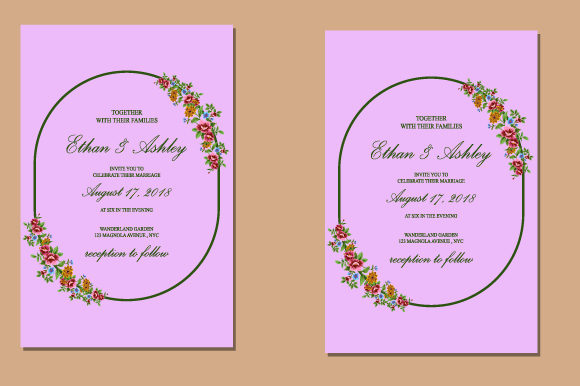
Invitation Design Background - Vector: Elevating Wedding and Event Stationery
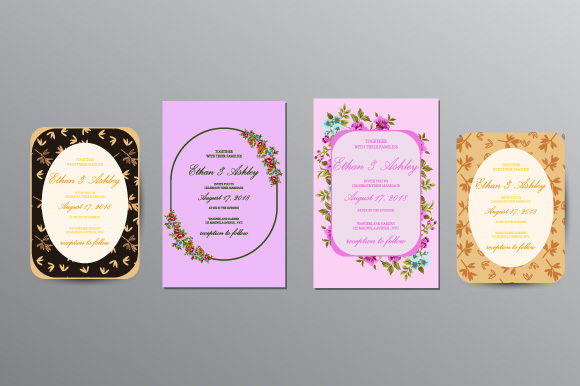
When planning a wedding or a significant milestone event, the invitation sets the tone for everything that follows. It is the first tangible touchpoint guests have with your celebration, and the visual quality matters immensely. An Invitation Design Background - Vector featuring roses, leaves, and elegant ornaments provides a sophisticated foundation for creating stationery that feels both timeless and professionally crafted. Unlike standard raster images that can become pixelated when resized, vector-based backgrounds offer crisp lines and infinite scalability, ensuring that whether you are printing a massive welcome sign or a delicate RSVP card, the floral details remain sharp and vibrant.
This specific design concept combines the romantic symbolism of roses with the organic flow of botanical leaves, arranged in a way that leaves ample negative space for typography. This balance is crucial. A beautiful background should enhance the text, not compete with it. By utilizing a vector format, designers and DIY enthusiasts gain the flexibility to adjust colors, scale individual elements, and modify the composition to fit various aspect ratios without losing fidelity. The inclusion of both EPS and JPG files in this package ensures compatibility across professional design software like Adobe Illustrator and more accessible tools like Canva or Photoshop, bridging the gap between high-end print production and at-home crafting.
Real-World Applications for Floral Vector Assets
The versatility of a rose and leaf vector set extends far beyond the traditional wedding invitation suite. In practice, these assets solve specific design challenges across multiple scenarios where elegance and clarity must coexist.
The Cohesive Wedding Brand
Modern couples often seek a unified visual identity that spans from digital save-the-dates to physical thank-you notes. A vector background serves as the anchor for this branding. Because vectors are mathematically defined, you can extract individual roses or leaf clusters to create matching icons, monogram frames, or menu borders. For example, a couple might use the full background for the main invitation but isolate a single corner ornament for the seating chart header. This consistency creates a polished, curated experience for guests. Furthermore, if the wedding color palette shifts during planning—perhaps from blush pink to dusty rose—a vector file allows for instant global color changes without needing to repaint or re-render the artwork.
Professional Stationery Services
For freelance graphic designers and boutique stationery studios, time is money. Creating intricate floral illustrations from scratch for every client is rarely feasible within standard budget constraints. High-quality vector assets act as premium building blocks. A designer can take this Invitation Design Background - Vector and customize it to create unique offerings for multiple clients by altering the layout, color grading, and typographic pairing. This approach allows professionals to deliver bespoke-looking results at a competitive price point. The EPS format is particularly valuable here, as it supports spot colors and overprinting settings essential for specialized print techniques like foil stamping or letterpress, where precise separation of artwork layers is mandatory.
DIY and Budget-Conscious Planning
Not everyone has access to professional design services, yet many still desire high-end aesthetics. For adults managing their own event planning, the JPG version of this asset is an immediate solution. It can be imported directly into user-friendly platforms to create digital invitations or printable PDFs. However, the true value for DIYers lies in the learning opportunity. Opening the EPS file in free vector software like Inkscape allows users to understand how professional designs are constructed. They can rearrange elements to fit non-standard paper sizes or remove specific flowers to reduce ink usage when printing at home. This practical adaptability makes premium design accessible regardless of technical expertise level.
Navigating Format Choices and Technical Considerations
Understanding when to use the EPS versus the JPG file is critical for achieving the best results. While the JPG offers convenience, it comes with inherent limitations that users must navigate carefully.
- Resolution Awareness: The included JPG is excellent for digital screens and quick mockups, but it has a fixed resolution. If you plan to print larger than the native size, you risk blurriness. Always check the DPI (dots per inch) before sending to a printer. For anything larger than 5x7 inches, the EPS is the safer choice.
- Color Mode Management: Vectors are typically created in CMYK for print, but screens display RGB. When using the EPS file, ensure your document color mode matches your output destination. Converting between modes can shift the hue of the roses and leaves, so always request a physical proof from your printer if color accuracy is paramount.
- Typography Hierarchy: This background features dense floral ornamentation. When laying out text, prioritize legibility. Use the negative space intentionally. If the background feels too busy behind your chosen font, consider reducing the opacity of the vector layer or using a white overlay box behind the text block. This maintains the decorative feel while ensuring guests can easily read the date, time, and location.
- Bleed and Safe Zones: When adapting this background for print, remember that printers require bleed area. Vectors make extending the design to the edge seamless, but you must ensure no critical floral elements fall into the trim zone unless intended. Conversely, keep vital ornamental details away from the fold lines if designing a gatefold or pocket invitation.
Evaluating Suitability for Different Event Types
While roses are universally associated with romance, the specific style of this vector set determines its appropriateness for different audiences. The combination of classic rose forms with structured leaf arrangements leans toward traditional and semi-formal aesthetics. This makes it ideal for black-tie weddings, anniversary galas, bridal showers, and upscale corporate events where a touch of warmth is desired without sacrificing professionalism.
However, for ultra-modern minimalist events or rustic outdoor festivals, this particular ornament concept might feel too ornate. In such cases, the vector format again proves its worth. Users can simplify the design by removing shading effects, converting the roses to line art, or isolating just the foliage to create a lighter, more contemporary feel. This malleability is what separates a useful design resource from a static image. It invites collaboration between the asset and the creator.
For businesses in the beauty, wellness, or luxury retail sectors, this background also serves as effective marketing collateral. The association of roses with self-care and elegance translates well to product packaging, social media templates, and promotional flyers. A spa might use the softer pastel variations for a Mother’s Day campaign, while a jewelry store could adapt the deeper tones for Valentine’s Day advertising. The key is recognizing that the asset is a starting point, not a finished product.
Practical Tips for Maximizing Value
To get the most out of this Invitation Design Background - Vector, approach it with a mindset of customization rather than consumption. Before finalizing any design, test the background at actual print size. What looks balanced on a 27-inch monitor may appear overwhelming on a 4x6 card. Print a test page on your home printer to evaluate scale and contrast.
Consider the paper stock as part of the design equation. Textured papers like linen or cotton can soften the sharpness of vector lines, adding a tactile dimension that enhances the floral theme. Smooth, coated papers will make the colors pop but may emphasize any imperfections in color blending. If using the JPG for digital-only invitations, optimize the file size for email delivery without compromising visual quality. Most email clients cap display width, so resizing appropriately prevents unnecessary loading times for recipients.
Finally, respect licensing and attribution requirements. While owning the file grants usage rights, understanding the scope prevents legal issues down the line. Whether for personal milestones or commercial projects, treating this vector set as a professional tool rather than mere decoration elevates the entire creative process. The result is stationery and signage that communicates care, attention to detail, and genuine hospitality—qualities that resonate deeply with any audience aged 20 to 50 seeking meaningful connections through design.