Vintage Botanical Illustration: Creative Uses & Tips
There is a distinct visual language found in vintage botanical illustration that modern photography often struggles to replicate. It is a blend of scientific precision and artistic romanticism, capturing the structural integrity of a plant while imbuing it with a sense of history and texture. For creators, designers, and hobbyists, these images are more than just decorative elements; they are versatile assets that bridge the gap between classical elegance and contemporary design needs. Whether you are developing a brand identity for an organic skincare line or designing a wedding invitation suite, the nuanced details of vintage flowers illustration provide a depth that feels both curated and authentic.
The enduring appeal of this aesthetic lies in its versatility. Unlike trend-driven graphics that expire quickly, botanical art remains timelessly relevant. However, utilizing these assets effectively requires more than simply placing a flower on a page. It demands an understanding of composition, color theory, and the specific technical requirements of your medium. When working with high-quality digital collections, such as 300 DPI JPEG files sized at 8.5 x 11 inches, you possess the raw material for professional-grade output across print and digital platforms.
Understanding the Asset Specifications
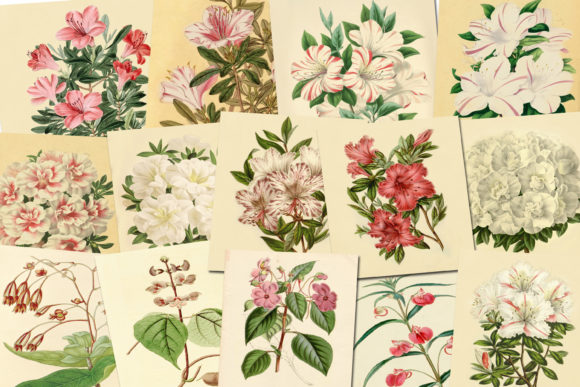
Before diving into creative applications, it is essential to understand why file specifications matter in practical workflows. A collection featuring 14 high-quality 300 DPI files at 2550x3300 pixels offers significant flexibility. The 8.5 x 11 inch dimension is standard US Letter size, making these files immediately compatible with home printers and professional print shops without requiring complex resizing or cropping.
The 300 DPI resolution is the industry standard for crisp printing. This density ensures that the fine lines of stamens, the subtle gradients of petals, and the aged paper textures remain sharp when transferred to physical media. For digital creators, this resolution allows for substantial zooming and cropping. You can extract a single bloom from a full-page floral print to use as a logo accent or social media sticker without losing clarity. Maintaining this level of quality is crucial for preserving the integrity of the vintage aesthetic; pixelation or blurriness instantly breaks the illusion of antique craftsmanship.
Elevating Scrapbooking and Paper Crafts
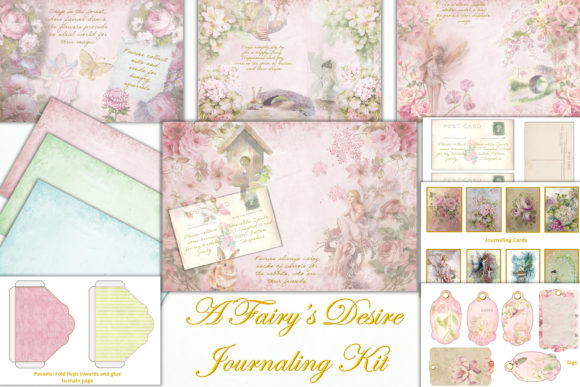
For the scrapbooking community, digital paper serves as the foundation of storytelling. Vintage botanical illustrations offer a sophisticated alternative to generic patterned papers. Because these designs often feature soft, muted color palettes and organic layouts, they act as excellent backgrounds that do not compete with photographs or journaling.
When using these 8.5 x 11 sheets for scrapbooking, consider the concept of visual hierarchy. Use a full-sheet floral print as a base layer, but reduce its opacity slightly or apply a solid color overlay to ensure text legibility. Alternatively, utilize digital editing tools to isolate specific elements. A cluster of vintage roses can be cut out digitally and used as a corner embellishment, creating a layered, tactile look even within a digital layout. For physical scrapbookers, printing these files on matte cardstock replicates the feel of antique book plates, adding a sensory dimension to memory keeping.
Card Design and Stationery Applications
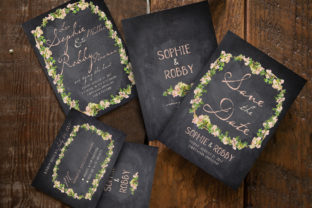
Stationery design relies heavily on the emotional resonance of imagery. Vintage flowers illustration communicates sentiments of nostalgia, care, and natural beauty, making it ideal for thank-you notes, wedding suites, and greeting cards. The 8.5 x 11 format is particularly efficient here, as it allows you to gang multiple card fronts onto a single sheet for cost-effective printing.
To keep stationery designs effective, balance is key. If the botanical illustration is dense and intricate, pair it with clean, minimalist typography. A serif font like Caslon or Garamond complements the historical nature of the art, while a modern sans-serif can create an appealing juxtaposition. For entrepreneurs selling stationery, consistency across a product line builds brand recognition. Select three to four coordinating prints from your collection and use them as a recurring motif across different card sizes, envelopes, and packaging stickers.
Commercial Branding and Marketing Assets
Small business owners and marketers often seek visuals that convey authenticity without the high cost of custom illustration. Vintage botanical art fits seamlessly into branding for florists, bakeries, tea shops, wellness coaches, and sustainable fashion labels. These images suggest a connection to nature and tradition, values that resonate deeply with modern consumers.
In digital marketing, these assets can be adapted for various aspect ratios. Crop a vertical 2550x3300 px image into a square for Instagram posts or a vertical 9:16 ratio for Stories and Pinterest pins. The detailed nature of vintage illustrations performs exceptionally well on social platforms where users appreciate aesthetic curation. For website design, use these florals as section dividers, hero background textures, or subtle watermarks behind text blocks. The key to professional application is restraint; let the illustration serve the content rather than overwhelm it.
- Packaging Design: Wrap product boxes or create custom tissue paper patterns using repeating botanical motifs.
- Email Newsletters: Use floral headers and footers to soften the commercial tone of promotional emails.
- Educational Materials: Enhance worksheets, certificates, or presentation slides with border elements derived from vintage plates.
- Textile Printing: Utilize the high-resolution files for print-on-demand fabric projects like tote bags or scarves.
Curating and Organizing Your Digital Collection
Creativity thrives on organization. With a set of 14 distinct files, establishing a systematic approach to asset management will streamline your workflow. Rather than keeping files named generically, rename them based on visual characteristics or intended use. Tags such as "muted-rose-background," "detailed-fern-border," or "dark-moody-floral" allow for rapid retrieval during active design sessions.
Consider creating derivative assets to save time in future projects. Pre-cut PNGs with transparent backgrounds, seamless pattern tiles, and pre-sized social media templates based on the original JPEGs transform a static collection into a dynamic design system. This preparation phase is especially valuable for freelancers and agencies managing multiple clients; having ready-to-use vintage elements reduces production time while maintaining high aesthetic standards.
Achieving Consistency Across Mixed Media
One challenge when working with vintage styles is ensuring cohesion, especially if combining these illustrations with modern photography or other graphic elements. Color grading is your most powerful tool here. Apply a unified filter or adjustment layer across all project elements to harmonize the color temperature. Warming up modern photos or desaturating bright graphics can help them sit naturally alongside aged botanical prints.
Texture also plays a vital role in unification. If your vintage illustrations feature paper grain or foxing (age spots), consider applying a subtle noise or paper texture overlay to your entire composition. This creates a consistent surface quality that ties disparate elements together, making the final piece feel like a singular, cohesive work rather than a collage of mismatched parts.
Practical Inspiration for Diverse Creators
The utility of vintage botanical illustration extends beyond traditional arts and crafts. Educators can use these images to create engaging biology handouts or literature unit covers that evoke the era of the text being studied. Publishers can utilize them for chapter openers or cover art in poetry collections and historical fiction. Even tech-forward creators can leverage these organic forms to soften the sterile aesthetic of app interfaces or digital planners.
For those new to working with this style, start with simple applications. Create a bookmark, a gift tag, or a phone wallpaper. As you become comfortable with the scale and detail of the 2550x3300 px files, move toward more complex compositions involving masking, blending modes, and typographic integration. The goal is to honor the source material while adapting it to serve your specific communicative purpose.
Ultimately, the value of a high-quality vintage floral print collection lies in its ability to elevate ordinary projects into something memorable. By respecting the technical specifications and approaching the artwork with intentional design strategies, you unlock a resource that is as functional as it is beautiful. Whether for personal expression or commercial enterprise, these illustrations offer a timeless vocabulary for visual storytelling that continues to resonate in our digital age.